

Our Artist Profile series features talented photographers from our very own BPW community who specialize in a different photographic niche. In each part of this series, they will recommend their favorite gear, offer advice based on their own experiences, and more!
Be sure to check back for the next iteration of the series—there is always more to learn!
Who we interviewed:

Amanda Reiter
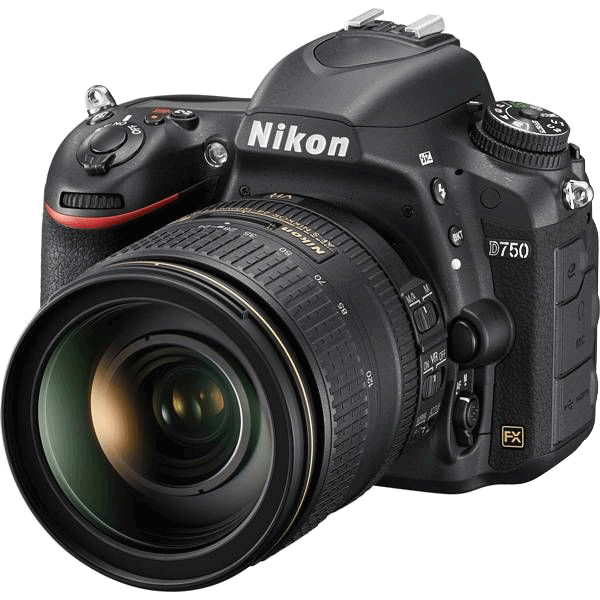
Camera: Nikon D750
Focus: Food Photography
Instagram
Let’s talk about gear first! What do you use?
Amanda Reiter
Camera: Nikon D750
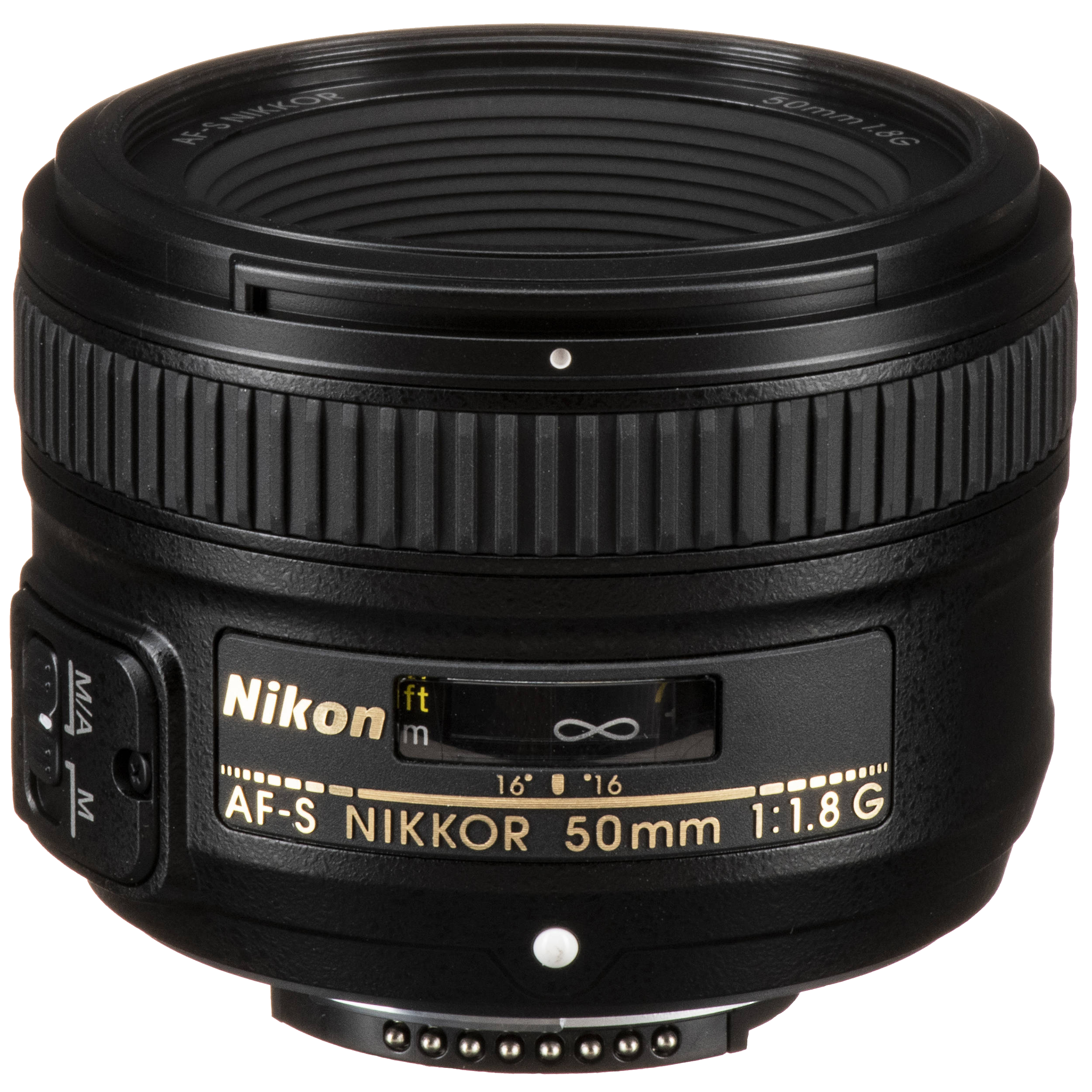
Lenses: 50 mm, 1.8 - it's always my go-to because it captures enough of a scene with flat lays, but can also get a nice bokeh/blur effect when shooting other angles.
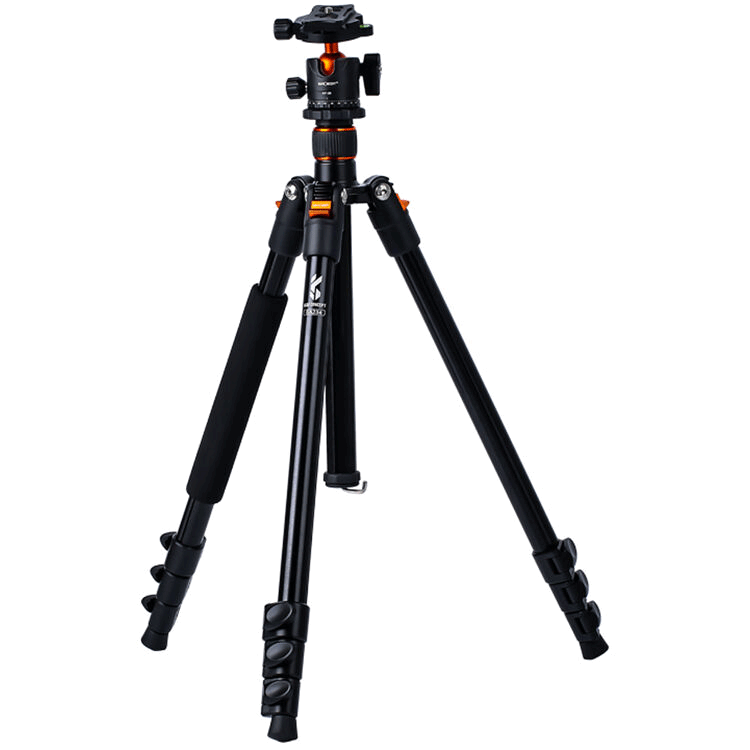
Other gear: Tripod for sure, especially if you don't have a lot of light. The second piece that made my work easier and my photos better was the ability to see in real time how everything looked composition wise instead of waiting to upload them on the computer. For me being tethered to Capture One was a game changer. For props—don't spend a lot, go to thrift shops, look around the house. You'd be surprised what you come up with.

Gilbert Yap
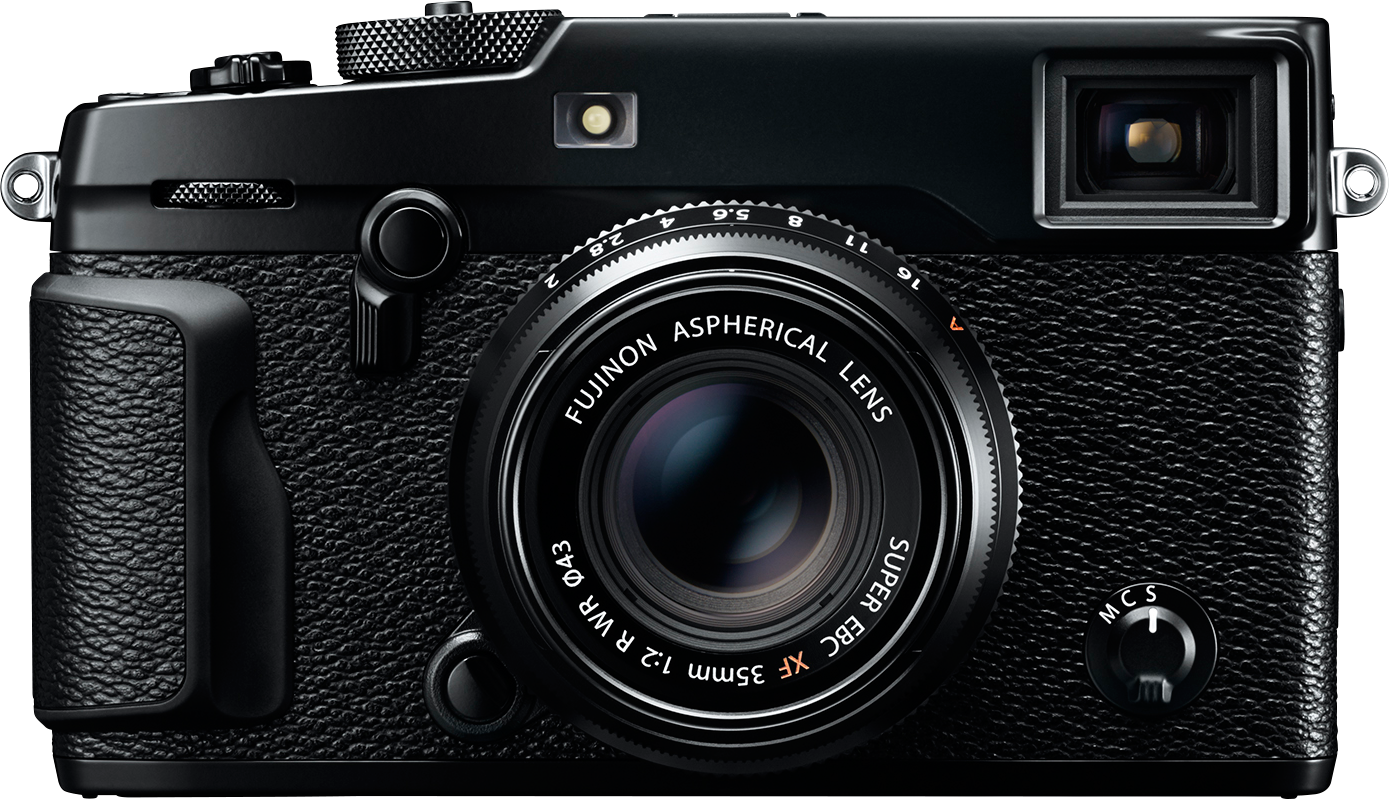
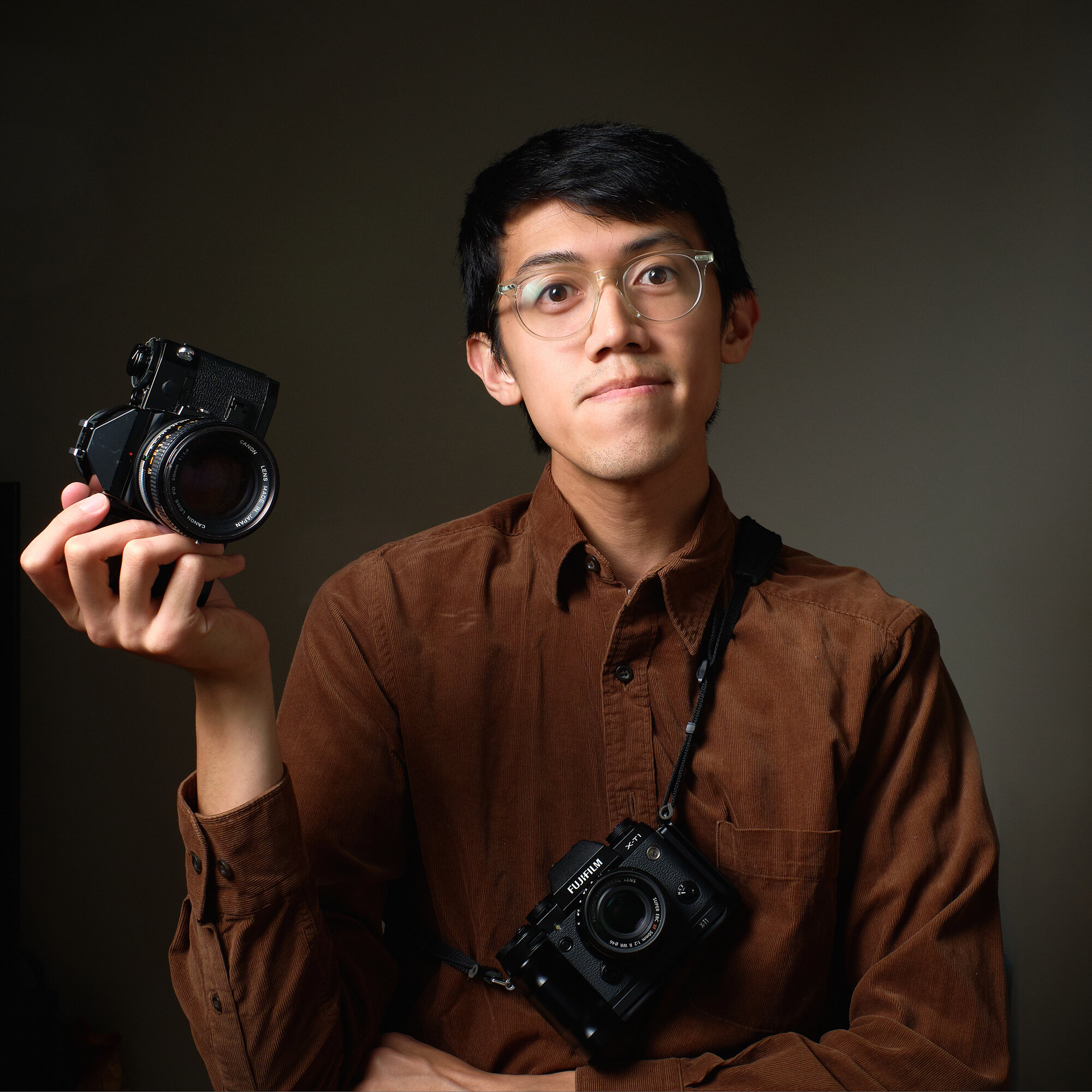
Camera: Fujifilm X-Pro2, previously Fujifilm X-T1
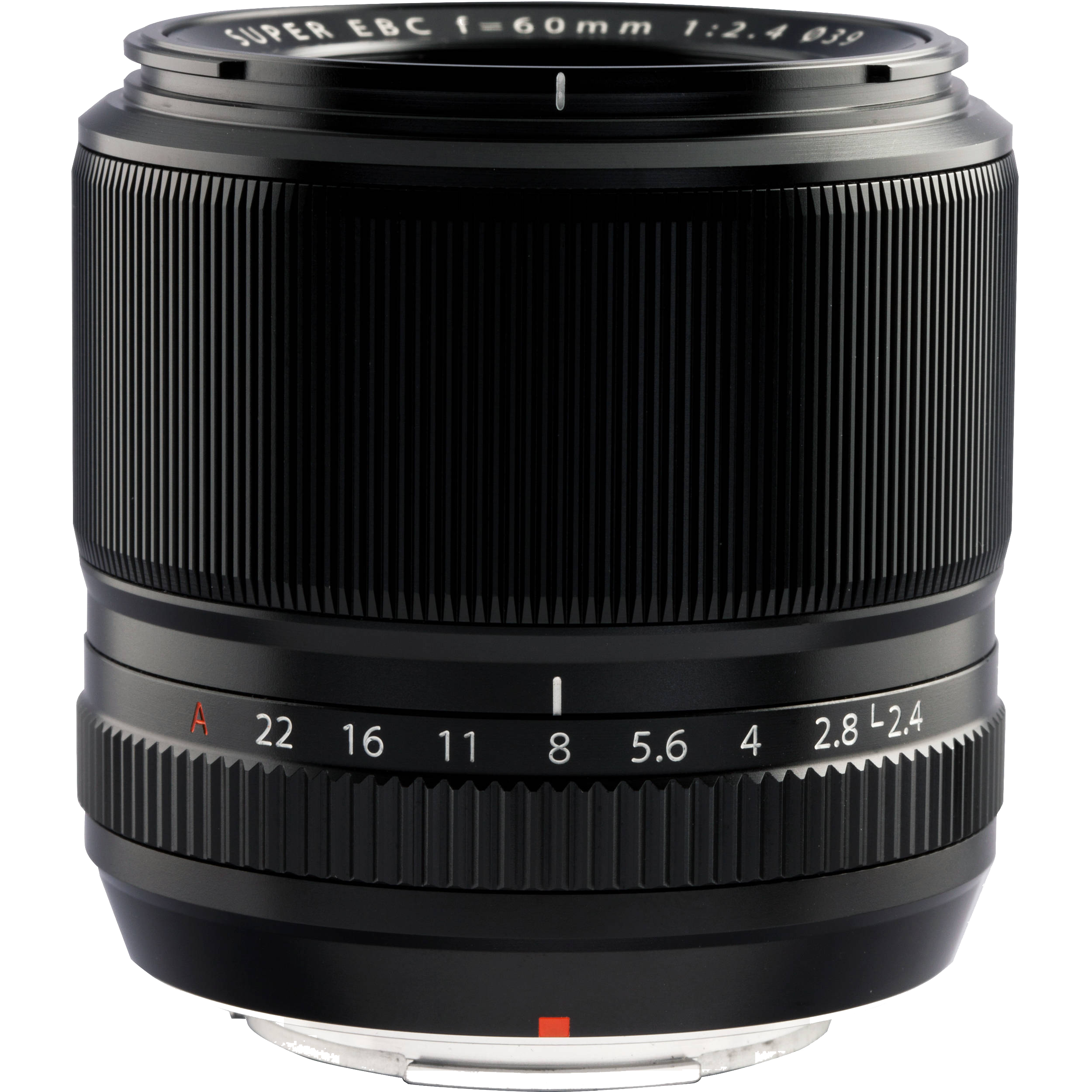
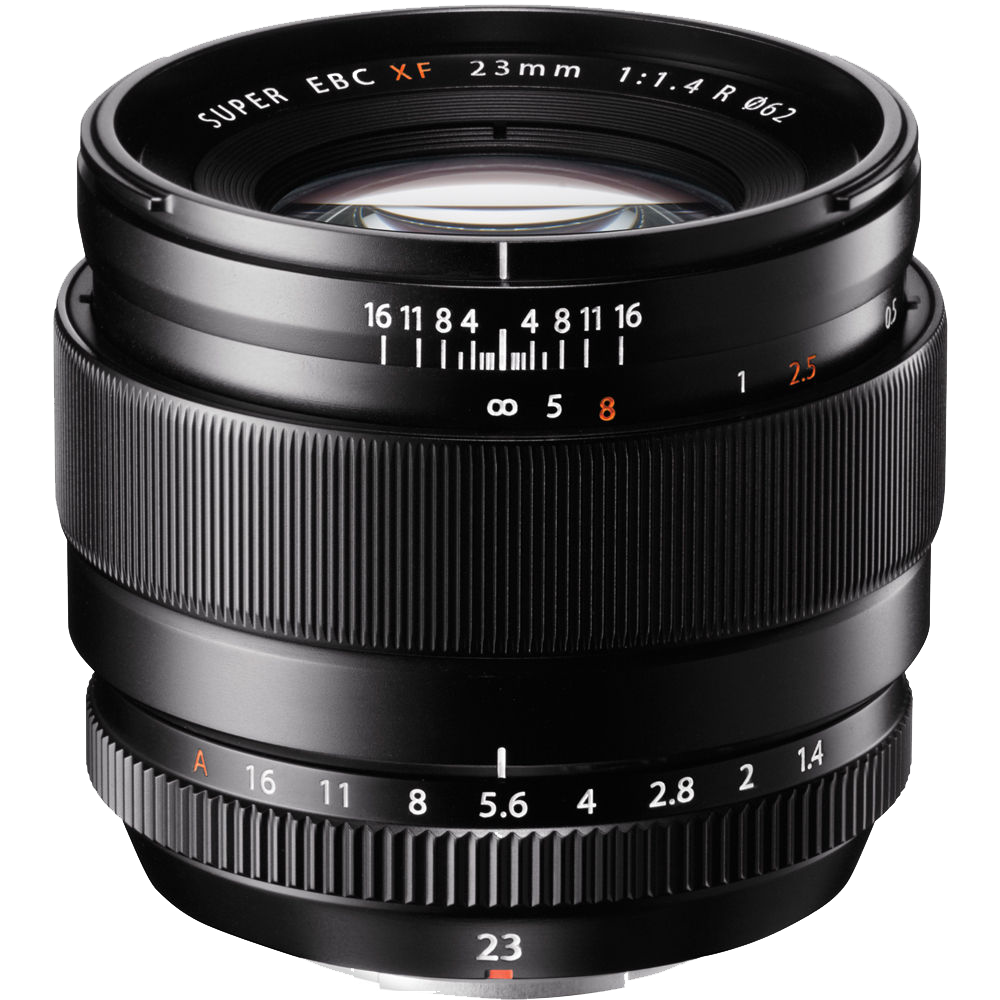
Lenses: My two lenses for my camera are the Fujifilm XF60mm macro and XF23mm f/1.4. I recently acquired the 60mm macro and it has made work with small foods and items significantly easier than when I was using macro tubes. The 23mm is super sharp, so I never have to add much processing afterwards.
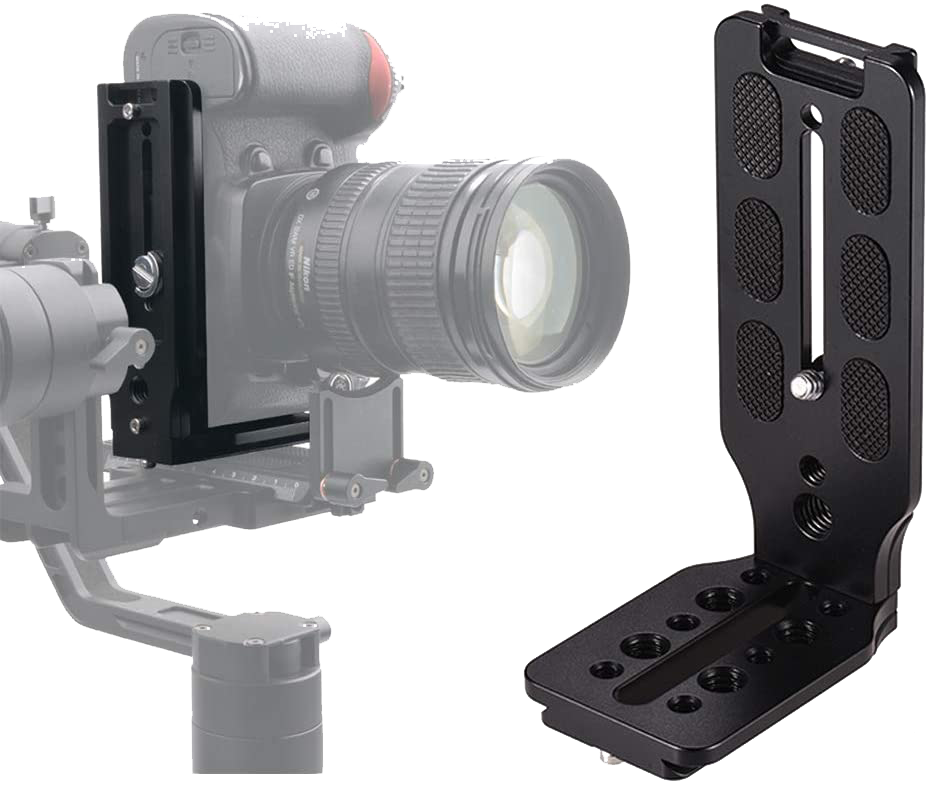
Other gear: There are so many useful tools and props in food photography! For tools, an L-plate for your camera makes tripod work significantly easier since you can mount your camera both in horizontal and vertical positions. For props, I would say the most valuable is foam core sheets, which can be used as reflectors, black cards, or even light shapers. Of course, one can never have enough unique serveware, silverware, or table settings for setting a scene, but plenty can be found for cheap at places like Target or Marshall's/TJ Maxx.
How long have you been doing photography? How long have you been doing food photography specifically?
Amanda Reiter: I think 6 years total and maybe 3 for food.
Gilbert Yap: My family always had a disposable camera or a digital camera when going on trips, so I had been very interested in photography from a young age. I received my first digital point and shoot in middle school, then I bought and shared my first DSLR, a Canon T2i, with my older sister when I was in high school and used it for photographing school events and family trips. I got started with food photography at the beginning of 2019 when I had set a goal for myself to better understand professional photography. I started shooting food photography for a few small businesses in about April of 2019.
What type of light do you prefer to use in your food photography (studio lighting, natural lighting, etc.)?
Amanda Reiter: I prefer studio lighting just because I can be more creative with it and don't have to worry about my photos looking different because of the time of day. That said, I still occasionally shoot in natural light because sometimes its just easier than setting up everything in studio—so it depends!
Gilbert Yap: When I started shooting food photography, I was living in an apartment with bad natural lighting. I learned to shoot with an off-camera speedlight and later ended up buying a studio flash. I prefer to work with studio lighting because you can craft the light exactly how you want it and there are so many creative ways to reproduce natural light patterns for days when the weather is not cooperating.
How do you like to style your food setups? Do you look for inspiration for styling online? What is your favorite perspective to shoot (flat lay, 45 degrees, etc)?
Amanda Reiter: My styling is pretty simple. I always used to put in a lot of props, but I've learned that less is more. The focus should be on the food so as long as you make that look good with nice lighting you don't need much else. For inspiration I follow a lot of people on Instagram, also Pinterest. I don't know that I have a favorite perspective, it depends on the subject. I like the 45 degree shot because it can really make it feel like you are right there waiting to eat that food.
Gilbert Yap: Recently, I cannot get enough of hard light or sunset lighting styles. It adds a warmth and depth to photos that feels a little less staged than soft lighting. I shoot a lot of flat lays, but I also like to do 45 degree shots with a human element. Sometimes it is easy to forget the socialization and sharing aspect in food, so adding someone squeezing a lime or shaping the food makes the photo have more of a story to it.
When I first started shooting food photography, I would look up local food photographers in the Boston area to see what kind of work is done here for restaurants and commercial work. I then found their work on Instagram and created an account specifically to follow all of them so that I could add inspiration to my downtime.
What is your favorite thing about Food Photography? Learning Curves? Goals?
Amanda Reiter:
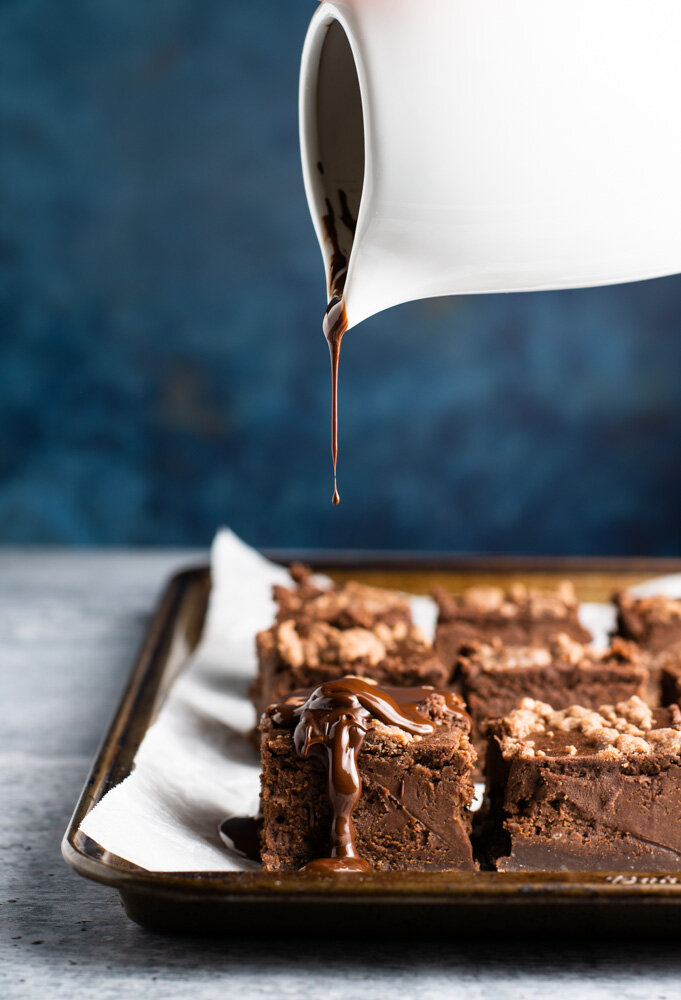
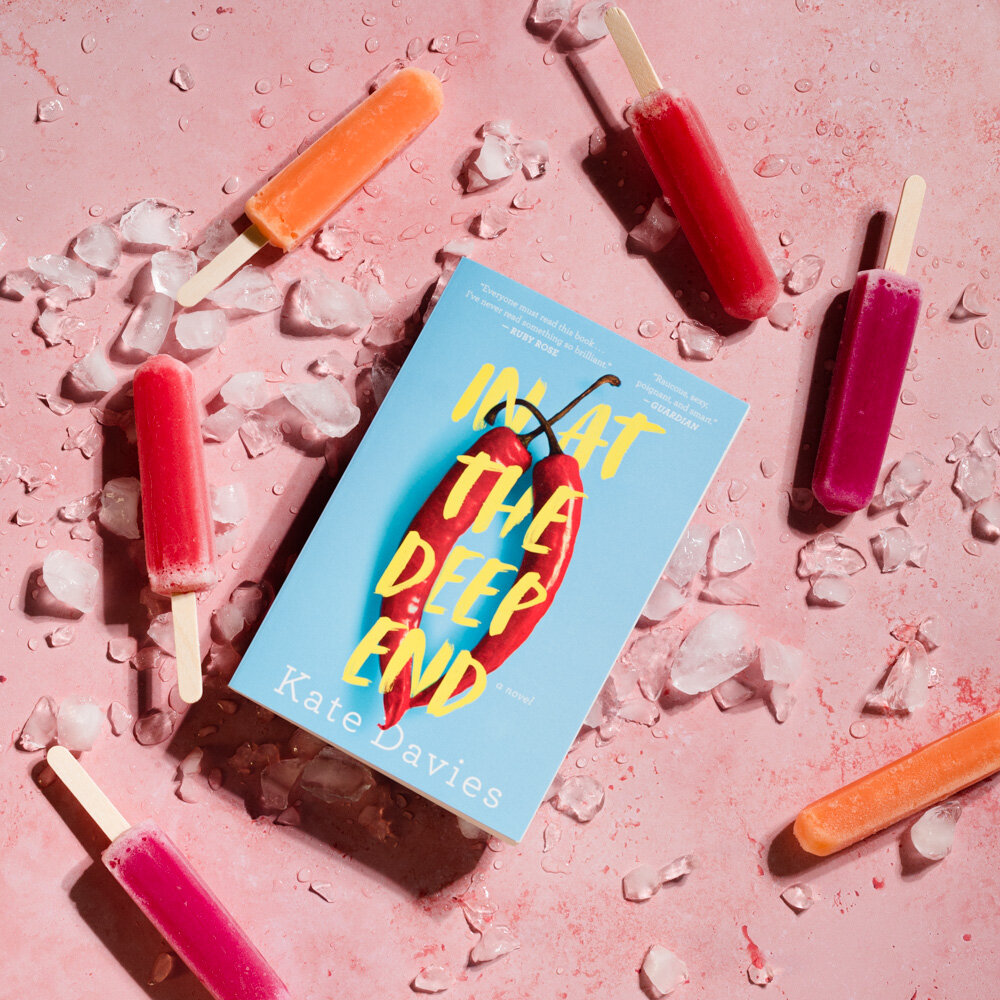
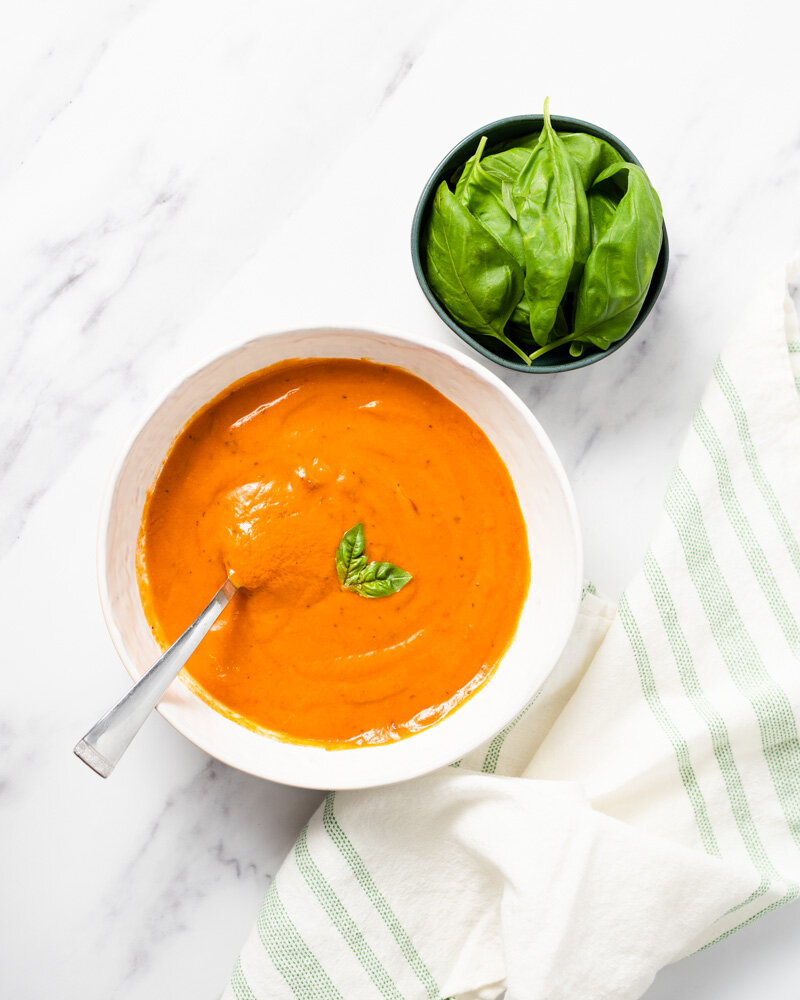
Favorite thing about food photography: I enjoy crafting the scene. I like telling the story. I feel like there's always so much to explore in food photography. So many things to experiment with.
Learning curves: Learning artificial light. This wasn't hard but a different and necessary step. You can have the most gorgeously styled food but you put that under harsh yellow lighting- forget it.
Goals: Take more photos! Be more intentional - like actually plan what I shoot instead of just shooting whatever pops in my head at the moment.
Gilbert Yap:
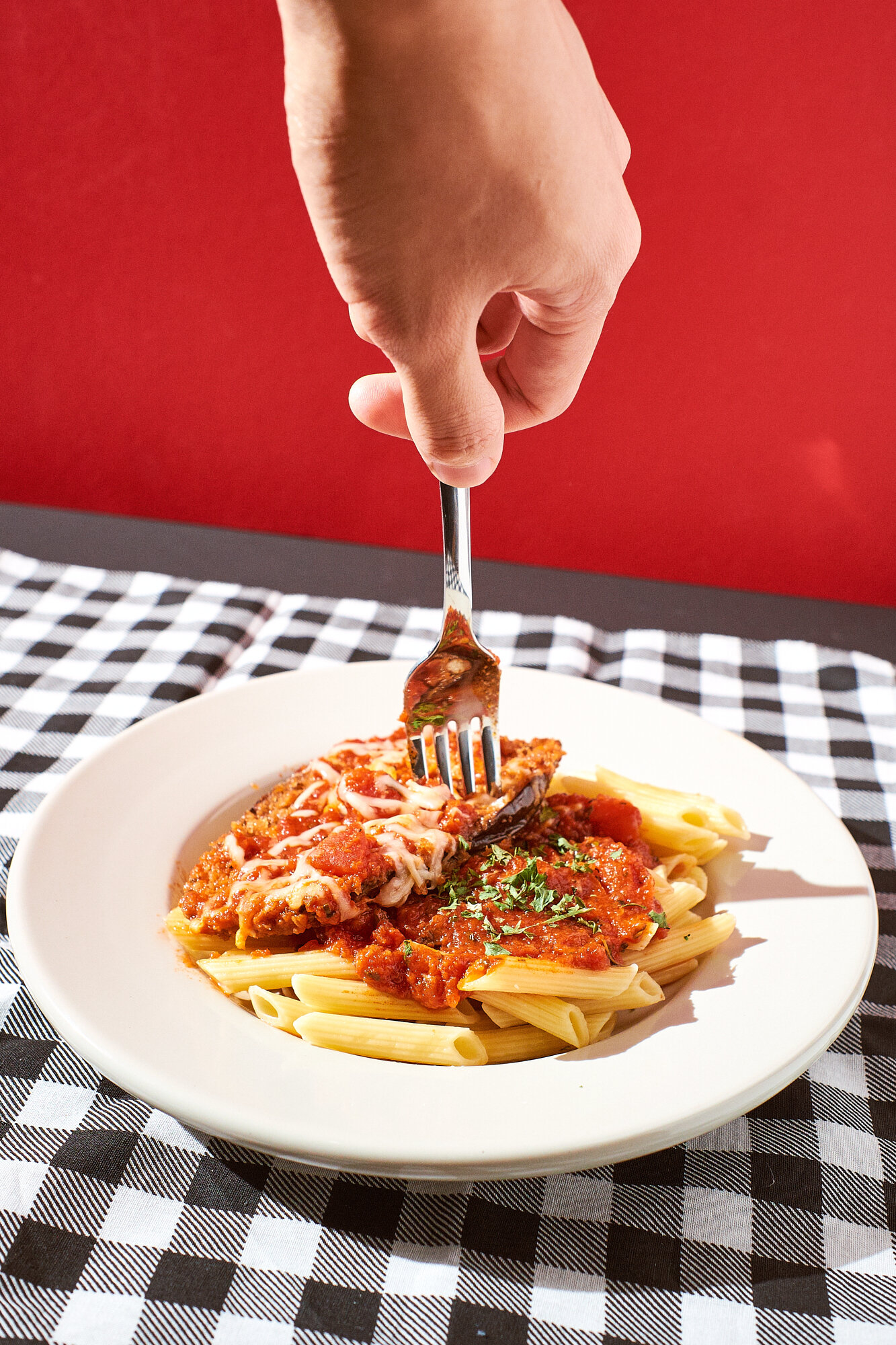
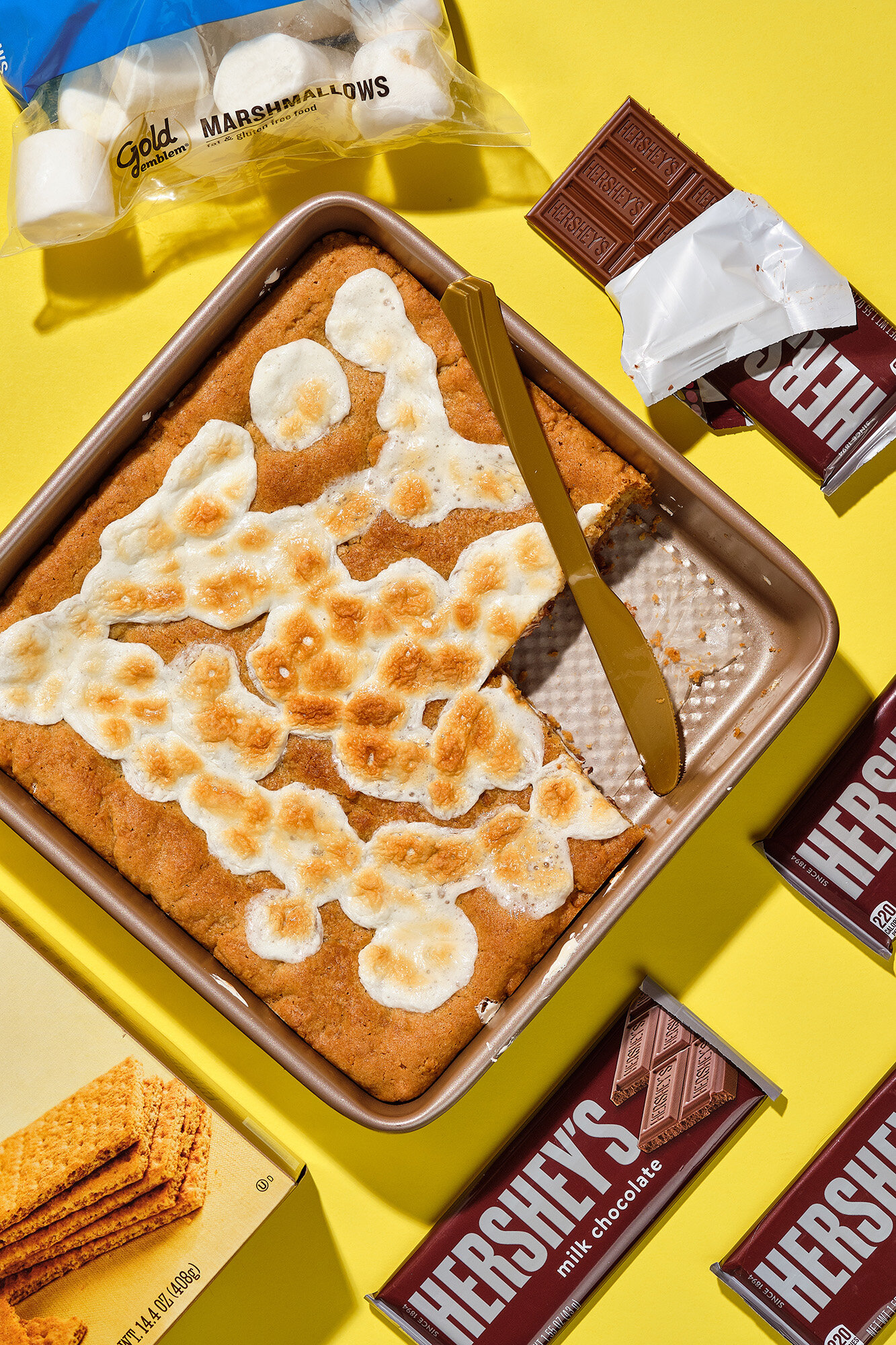
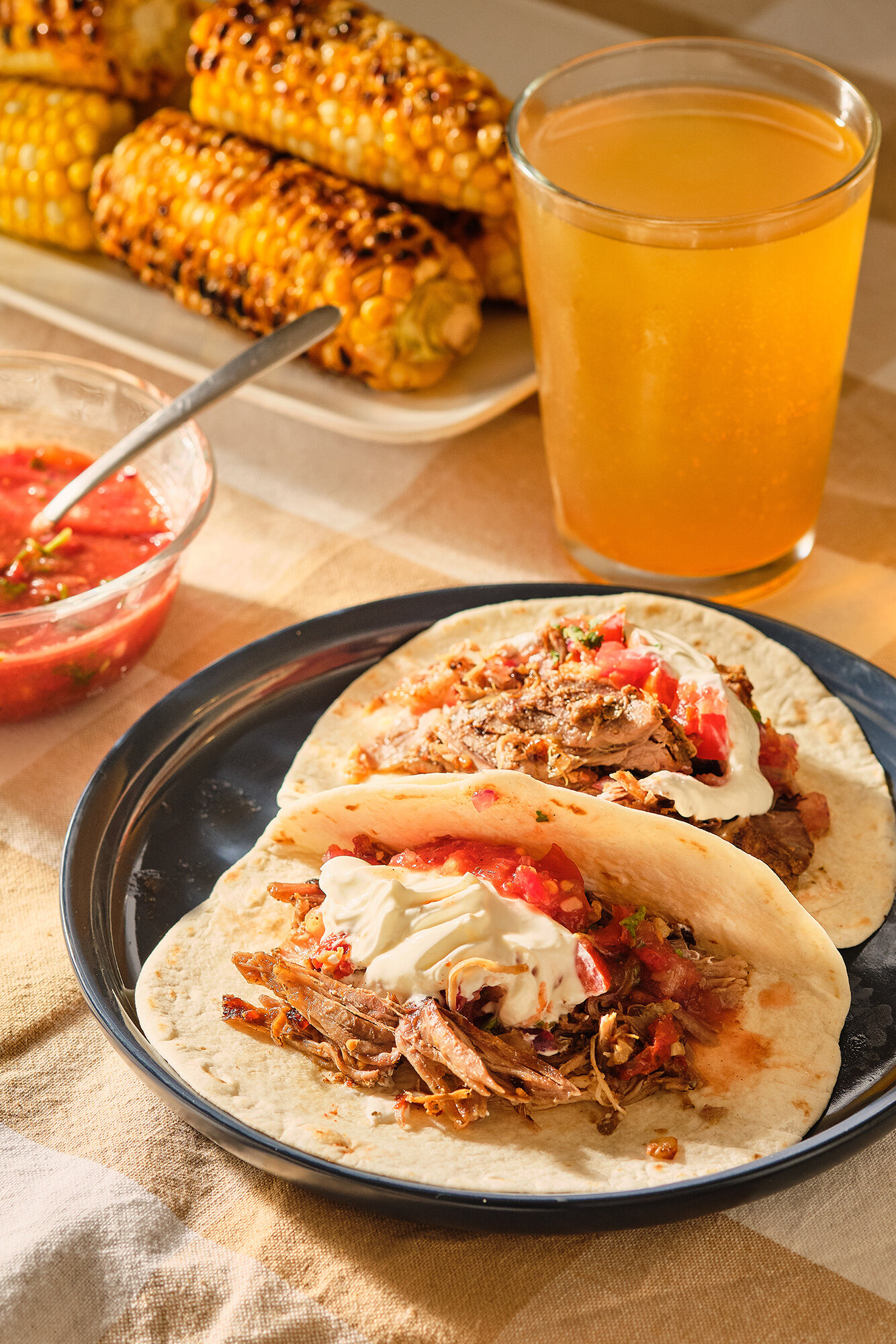
Favorite thing about food photography: As a home cook and a food lover, I just love being able to share photos of food that look appetizing and make your mouth water. Food is a universal necessity, but it does not mean that it has to look bad. I also find that food photography helps me build a personal connection to my community. I am reminded when I work with restaurants and clients that these small-business owners have dreams and ambitions, which inspires me to portray their food in the best way possible.
Learning curves: One learning curve that I still find myself dealing with at times is making food images "pop". It's easy to sometimes go through the motions and have a lot of your images come out looking the same or bland because you didn't pick the right background or you didn't place the props in a way that draws attention to the food.
Goals: To make more monochromatic pictures.
Which food photographers inspire you?
Amanda Reiter: Oh boy such a good question:
@rezelkealoha - her use of the color green, textures, harsh lighting- OMG love
@chelsealouisekyle - her use of color, her cocktail images, they are just scroll stopping images that speak to me
@jennagang - again the use of color in her images, her photos always seem so fun
@twiggstudios - much different from the others listed, but I like her storytelling in her images
Gilbert Yap: There are so many!
Alex Lau, ex-staff photographer for Bon Appetite who has a distinct table and light styling, also does a lot of shoots for underrepresented Chinese food businesses - @yungbludlau
Jenny Huang, freelancer who has worked with Bon Appetite, New York Times Cooking, and others - @hellomydumpling
Dylan Ho & Jeni Fuso, a photographer pair who are able to craft extremely beautiful images both in minimalist styles and in well crafted arrangements - @dylanandjeni
Steve Klise, photographer for America's Test Kitchen/Cook's Country based in Boston who posts a lot of behind the scenes videos of how he works - @steveklise
Rachel Lerro, freelancer from Philadelphia who has an amazing and consistent hard light style for her food blog and professional work - @themosthungry
What advice do you have for other photographers?
Amanda Reiter: Start simple. Start with simple foods, ones that don't require much styling like fruits or ingredient/process photos. Use the natural light that you have and then move to artificial if you need something more. Invest in good lighting instead of other equipment (a better lens, a better camera model, etc). Once the light is right everything else will work better. Pay attention to composition. Get to know those rules. And take a class with BPW!
Gilbert Yap: For someone who is newly interested in food photography, my advice would be to dedicate and schedule time to exploring the craft. In 2019, I decided that I was going to photograph every dinner that I cooked. This gave me the time to explore all different styles of lighting, food styling, color theming, etc. without the pressure of working with clients. The improvement in my photos from the end of the year were significant and I think it greatly shaped my marketability as a part-time professional photographer.