
It’s that time of year again when many photographers—new and experienced—start thinking about upgrading their camera gear. At the Boston Photography Workshops, we spend the entire year teaching with, testing, and talking about cameras, so when we publish this list, it’s grounded in real-world use, not just spec sheets.
One big change this year: prices. Between inflation, supply chain hiccups, and ongoing tariffs, camera prices have crept up across the board—and yes, that’s a bummer. Because of that, this year we’re recommending a mix of cameras you can buy new and cameras we strongly suggest looking for on the used market.
As always, our goal isn’t to tell you what’s “trendy,” but what will actually help you learn, grow, and enjoy photography.
# TLDR – Just want the list? Here you go:
Best Cameras for Beginners:
• Canon R50 (new)
• Nikon Z50 (used)
Best Cameras for Intermediate Photographers:
• Canon R8 (new)
• Nikon Z5 (used)
Best Cameras for Aspiring Professionals:
Sony A7V
Canon R6ii
If you want to know why these cameras made the cut—and which one makes sense for you—read on.
Why listen to us?
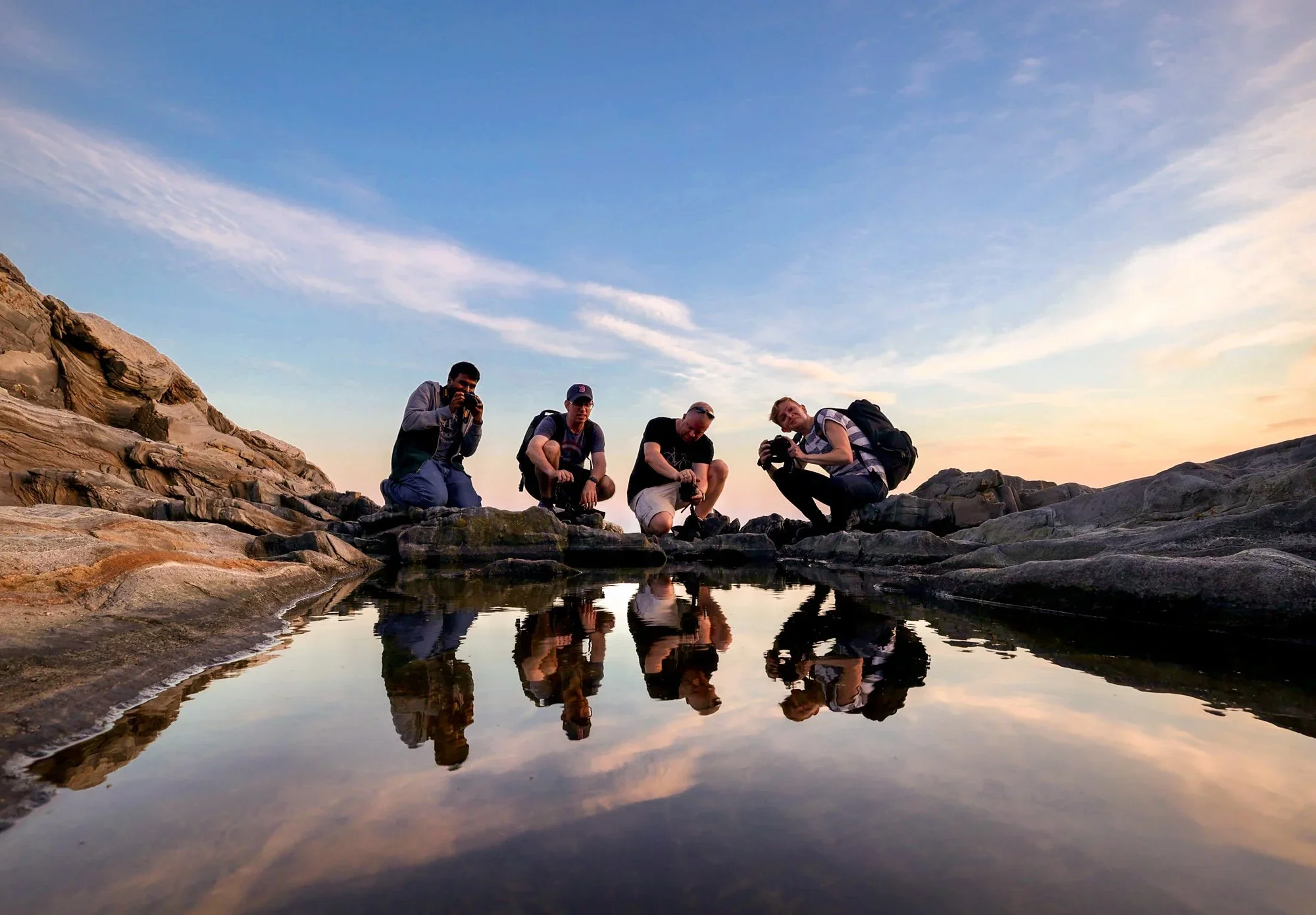
The Boston Photography Workshops is a creative studio that’s been helping new and experienced photographers since 2014. Our staff is composed of photographers with years of real-world experience as both photographers and teachers.
When we recommend a camera our main goal is to suggest a camera that suits you, not the masses. Also, we don't subscribe to the “newest is best” philosophy and won't hesitate suggesting last year's model… if it’s the right fit.
And with that, let’s get started!
Cameras We Love in 2026
Best Cameras for Beginners: Canon R50
What matters most here: ease of use, intuitive controls, and a camera that helps you learn photography without getting in the way.
New: Canon R50
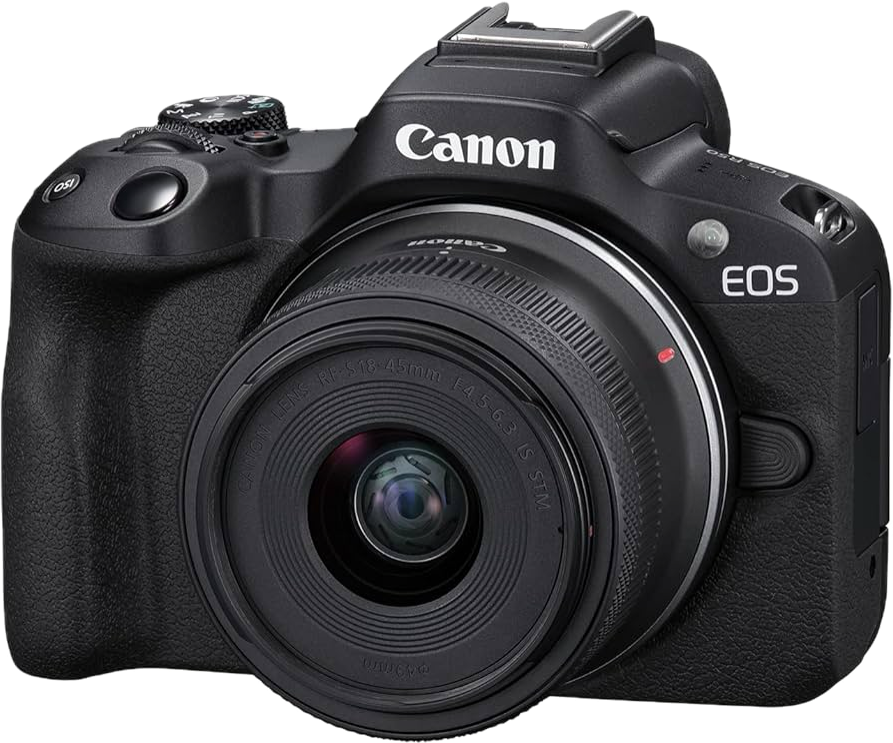
The Canon R50 is one of the strongest beginner cameras Canon has released in years. It’s compact, lightweight, and unintimidating—yet powerful enough that you won’t outgrow it quickly. Autofocus is excellent for photographing people, pets, and action, and Canon’s color science continues to be a big win straight out of the camera.
A question we hear often: *Why not just get the cheaper Canon R100?* The answer is simple—the touchscreen. The R50’s fully functional touchscreen makes changing settings, selecting focus points, and navigating menus dramatically easier, especially on a small camera body. That difference matters when you’re learning. The extra cost is absolutely worth it.
In short: the R50 punches well above its weight class and is a terrific travel-friendly option for beginners.
Nikon Z50
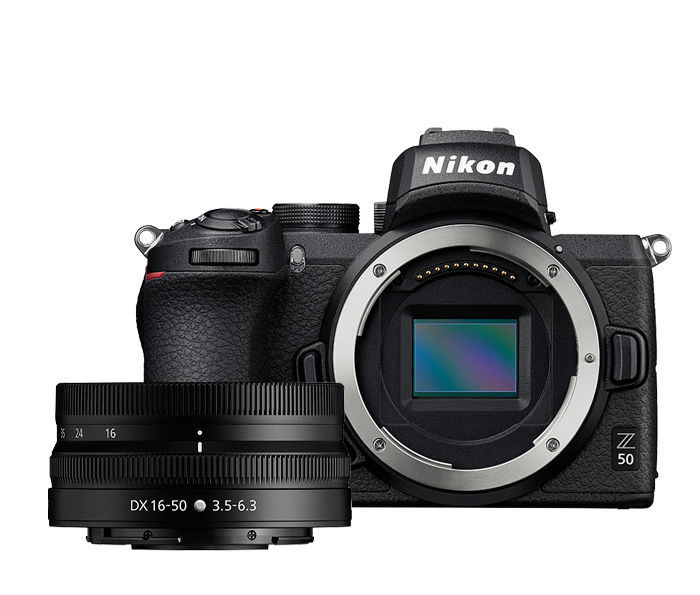
If we had to pick a single *favorite* beginner camera—this would still be it. Unfortunately, Nikon has discontinued selling the Z50 new, but it remains widely available on the used market and continues to be an outstanding value.
The Z50 hits a sweet spot in size: small enough to carry everywhere, but not so small that the controls feel cramped. Most importantly, it includes dual control dials for shutter speed and aperture—something we consider a huge advantage when learning manual exposure. Simply put, this camera is designed in a way that helps beginners actually *understand* photography.
Excellent image quality, reliable autofocus, and thoughtful ergonomics make the Nikon Z50 a camera we continue to recommend with confidence.
Best Cameras for Intermediate Photographers
What matters most here: image quality, value, and room to grow—often with an eye toward full-frame sensors.
For photographers ready to step up—especially those curious about full-frame sensors—these cameras offer serious image quality without breaking the $1,500 mark.
New: Canon R8
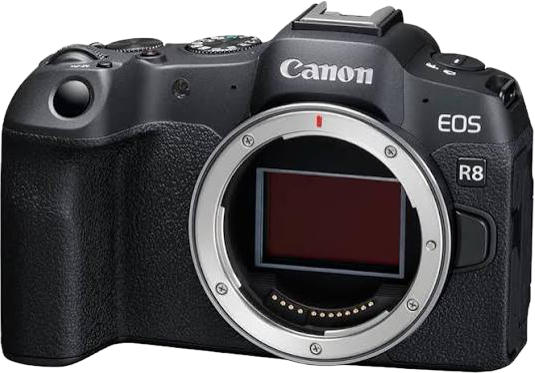
The Canon R8 is a powerful, lightweight full-frame camera that delivers excellent image quality, fast autofocus, and pleasing color straight out of camera. It’s a great choice for photographers who want to explore portrait, landscape, and even action photography without lugging around a heavy body.
Where the R8 shines is usability: Canon’s menus and controls remain some of the most intuitive on the market. The main limitation is lens selection—Canon’s RF lens lineup is still growing, and affordable third-party options remain limited. That said, if simplicity and performance are your priorities, the R8 is a strong contender.
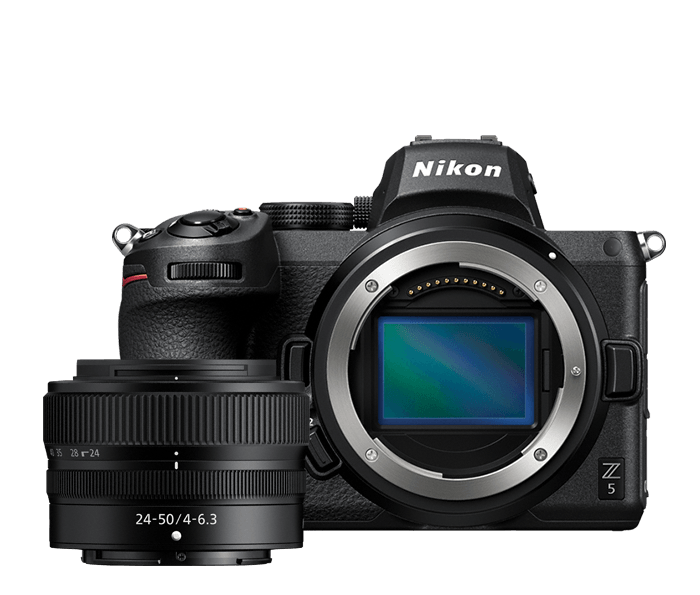
Used: Nikon Z5
The Nikon Z5 continues to be one of the best values in full-frame photography—especially on the used market. While its autofocus isn’t as cutting-edge as newer models, image quality is excellent, dynamic range is strong, and in-body image stabilization is a huge plus.
Pros: solid build quality, great ergonomics, and access to Nikon’s expanding Z-mount lens ecosystem (with more third-party options than Canon RF).
Cons: slower autofocus compared to newer bodies and a slightly older sensor—but for most photographers, these are minor trade-offs given the price.
Best Cameras for Aspiring Professionals
What matters most here: long-term system flexibility, reliability, and lens availability—not just the camera body itself. These are cameras for photographers who are deeply committed to their craft and want tools that can grow with them for years.
New: Sony A7V
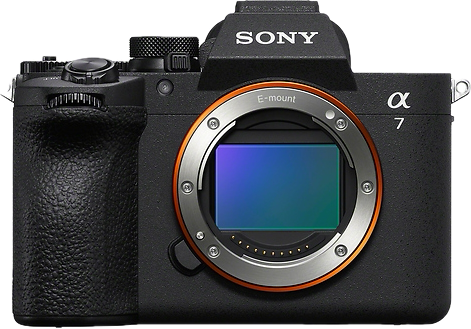
Sony continues to push technology forward, and the A7V represents the latest evolution of a camera that does nearly everything well. Autofocus is class-leading, image quality is superb, and Sony’s tracking performance remains the gold standard for fast-moving subjects.
Where Sony truly separates itself—especially for aspiring professionals—is its lens ecosystem. Sony offers the broadest native lens lineup on the market, paired with an exceptional range of high-quality third-party lenses from manufacturers like Sigma, Tamron, and others. This gives photographers far more flexibility across focal lengths, price points, and specialties, making it easier to build a complete professional kit over time.
The trade-off? Sony’s menus and customization options can feel overwhelming without guidance. That said, for aspiring professionals in particular, Sony ultimately gets our edge because its unmatched lens ecosystem makes it easier—and more affordable—to grow into a complete professional system over time. But for photographers willing to invest the time to learn the system, the combination of cutting-edge autofocus, strong image quality, and unmatched lens choice makes the A7V an incredibly compelling long-term investment.
Used: Canon R6 ii
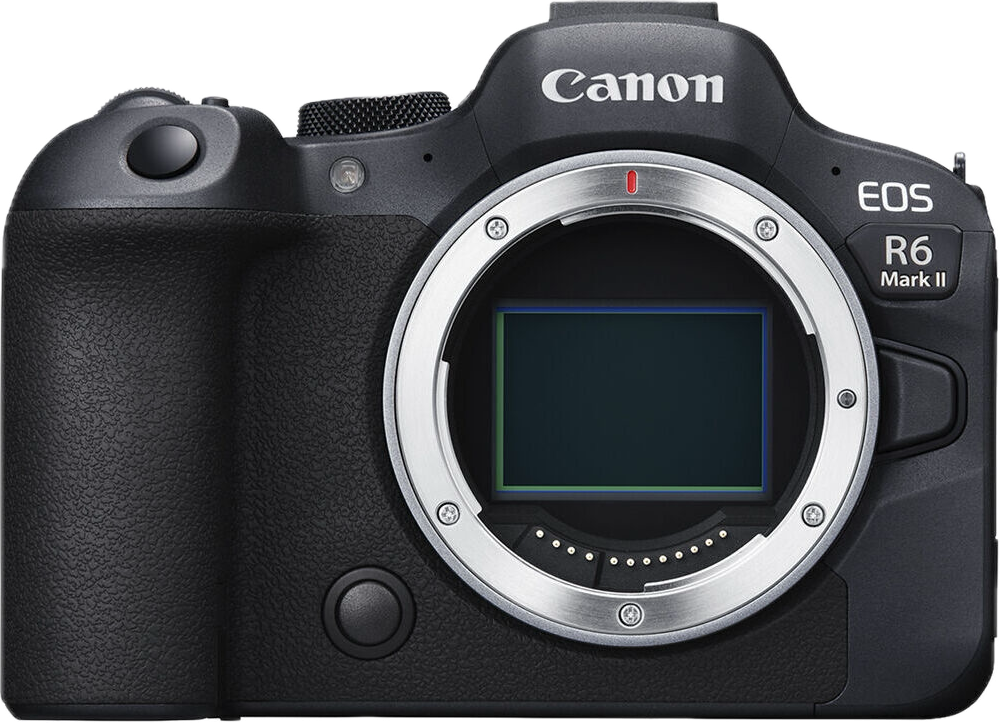
The Canon R6 Mark II refines everything we loved about the original R6 and remains one of the most well-rounded professional cameras available—especially at its used-market price point in 2026, which we consider very appealing for what you get. It offers exceptional autofocus, improved subject detection, excellent low-light performance, and Canon’s signature color science, all in a body that feels intuitive and dependable.
However, for aspiring professionals, the conversation doesn’t stop at the camera body—it extends to lenses. While Canon’s RF lenses are optically fantastic, the ecosystem remains relatively limited compared to Sony’s, with fewer affordable and third-party options. Canon lenses tend to be excellent, but not cheap, and that can meaningfully impact long-term system cost.
For photographers planning to build a diverse professional kit over time, this narrower lens lineup is the primary reason we hesitate to crown the R6 Mark II outright—despite how strong the camera itself is.
The “Best” Camera Is Personal
We get asked this all the time: *“What’s the best camera to buy?”* The honest answer is—it depends.
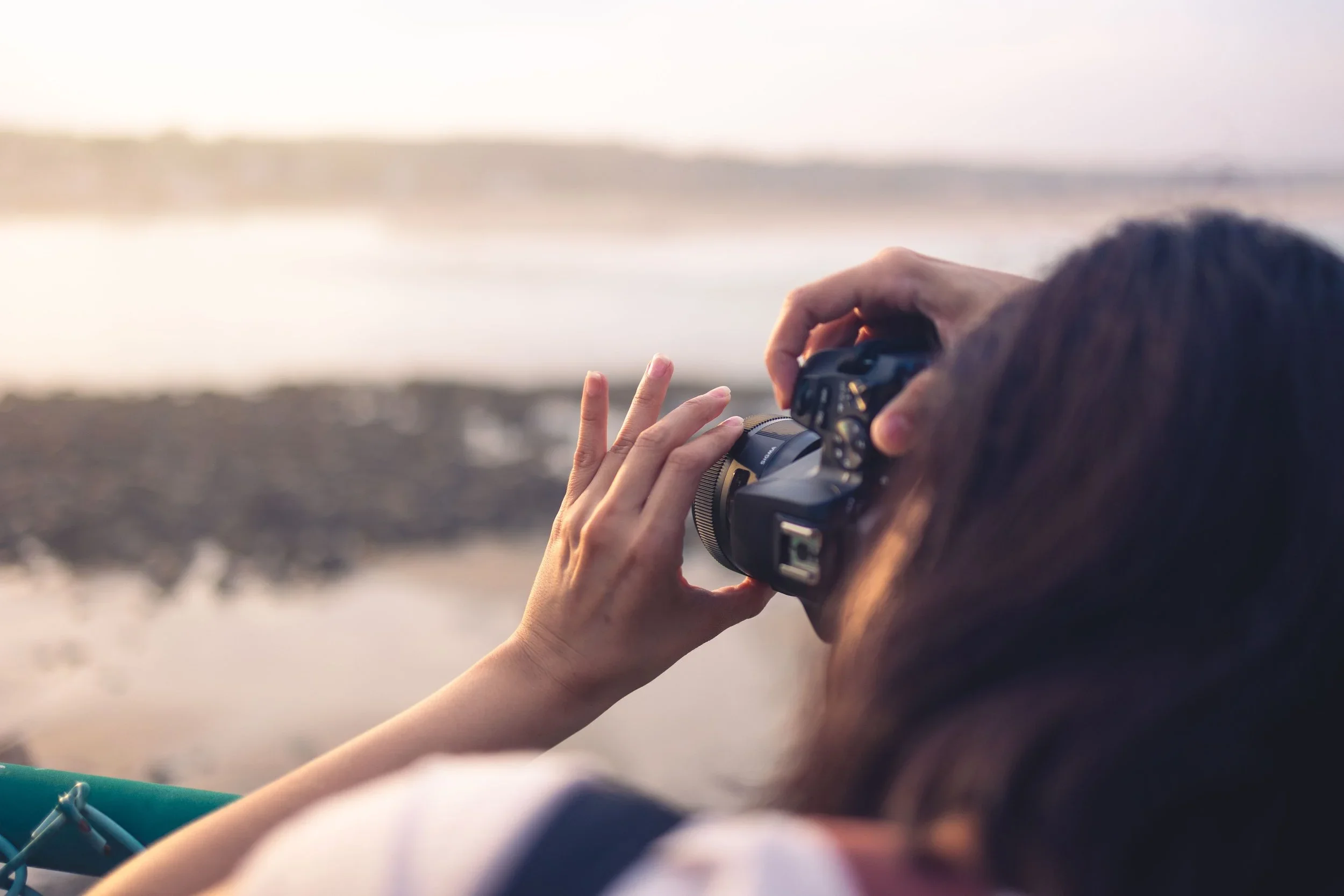
The question we often hear: “What’s the best camera to buy?” or more specifically, “What’s the best camera for a beginner photographer?” The answer depends on you..
Because photography encompasses a diverse range of subjects: people, places, wildlife, products, sports, and more, the “best camera" can vary depending on your goals.
Some cameras are made for speed or action, while others are made more for portrait photography, landscape photography, or any other genre of photography. What it boils down to is, the “best” camera often varies depending on what sort of photos you want to make.
When we suggest cameras, we stick to those that are able to photograph the widest range of subject matter possible.
Next Steps: Get More Out of Your Camera
No matter which camera you choose, learning how to use it is what truly unlocks great photography. At the Boston Photography Workshops, we specialize in helping photographers of all levels understand their cameras with clear, supportive, and practical instruction.
Online videos can be helpful—but nothing replaces personalized, small-group education where you can ask questions and get real feedback.
If you’re ready to feel confident using your camera, we invite you to join us for:
• One-day, in-person workshops
We’ll help you navigate your camera, understand exposure and autofocus, and—most importantly—start making photographs you’re proud of.